

Request a representative visit or G7 15 Day or G7 samples
CSS [DO NOT REMOVE] [Hidden on page]
Don't miss educational Dexcom CGM diabetes events & webinars
Find out how Dexcom CGM systems can help benefit your patients living with diabetes
-
Events
Upcoming events
Dexcom is present at industry events across the globe. We're consistently informing providers about product features, new clinical data, and hosting educational presentations and hands-on trainings. See below for upcoming events we'll be attending and how you can be involved.
Feb 08Feb 10Las Vegas, NV
SMFM Pregnancy Meeting
Feb 12Feb 14Virtual
AACE EU Year 1
March 11March 14Barcelona, Spain
19th International Conference on Advanced Technologies and Treatments for Diabetes
March 27March 30Los Angeles, CA
APhA Annual Meeting and Exposition
April 16April 18San Francisco, CA
ACP Internal Medicine Meeting
April 22April 24Las Vegas, NV
AACE Annual Meeting
May 1May 3Washington, D.C.
ACOG Annual Clinical and Scientific Meeting
May 27May 30San Diego, CA
IFM's Annual International Conference
June 5June 8New Orleans, LA
American Diabetes Association (ADA) 2026 Scientific Sessions
June 23June 27Las Vegas, NV
AANP National Conference
July 7July 12Orlando, FL
Friends For Life Orlando 2026
July 8July 11Keystone, CO
ATDC Conference
July 30Aug 1Kansas City, MO
AAFP Future
Aug 7Aug 9Columbus, OH
ACDES Annual Conference
Sep 28Oct 2Milan, Italy
62nd Annual Meeting of the European Association for the Study of Diabetes (EASD)
Oct 20Oct 24Nashville, TN
American Academy of Family Physicians FMX
Oct 22Oct 25Las Vegas, NV
American Osteopathic Association
Oct 24Oct 27San Antonio, TX
Academy of Nutrition and Dietetics FNCE
Nov 4Nov 7Rio de Janeiro, Brazil
International Society for Pediatric and Adolescent Diabetes
Nov 8Nov 11Orlando, FL
Lifestyle Medicine Conference
Nov 12Nov 14Virtual
AACE EU Year 2
Nov 14Nov 17Washington, D.C.
Obesity Week
Dec 9Dec 11Kyoto, Japan
3rd Asian Conference on Innovative Therapies and New Technologies for Diabetes Prevention and Management
-
Webinars
Webinars
Discover how Dexcom CGM and our connected apps can support every patient living with diabetes.
Featured WebinarDexcom G7 15 Day and Innovations
This presentation will provide an overview of the new Dexcom G7 15 Day CGM, as well as recent G7 innovative features. It will offer practical guidance on optimizing device utilization and present utilization and present recommendations to assist patients in fully leveraging their Dexcom CGM system. The emphasis will be on enhancing user experience, increasing time in range, and supporting improvements in quality of life.
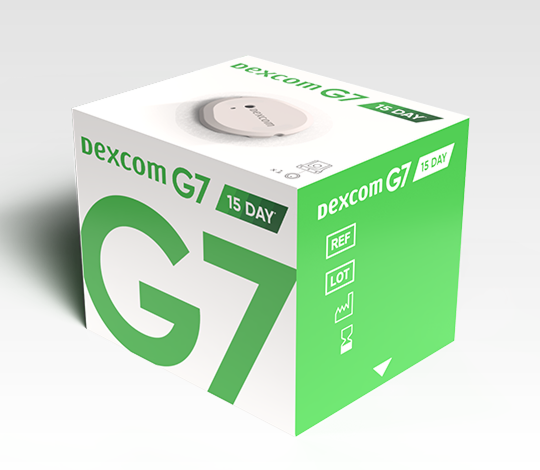
Getting Started: Dexcom G7 App
This recorded webinar is ideal for providers trying a G7 sample or G7 15 Day sensor themselves or anyone curious about what their patients experience during setup. It walks through the fast, easy G7 app onboarding process, and reviews key features of the G7 app.
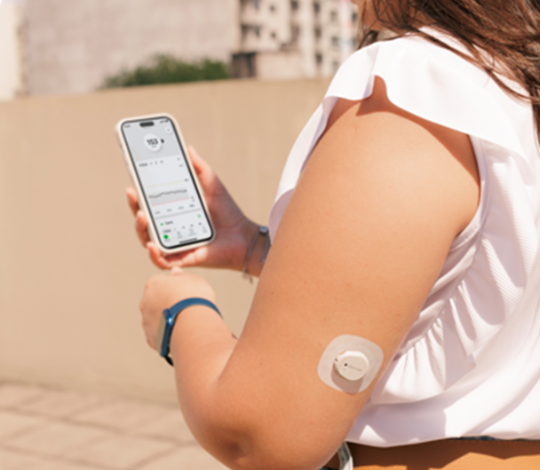
Getting Started With Dexcom Clarity
This recorded webinar provides a step-by-step overview of setting up a Dexcom Clarity Clinic Account, adding staff, customizing clinic settings, and connecting patient data. It's ideal for clinics new to Clarity and looking for a simple, efficient onboarding guide.
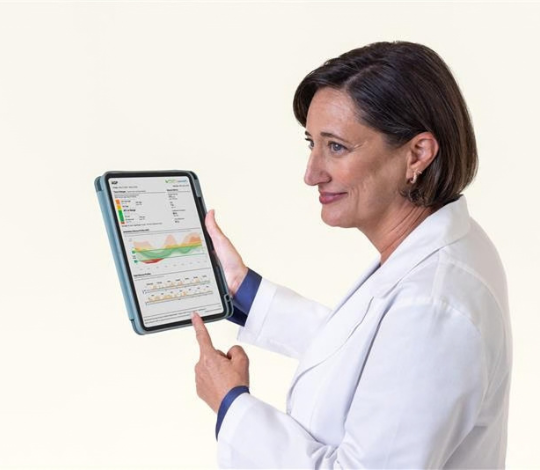
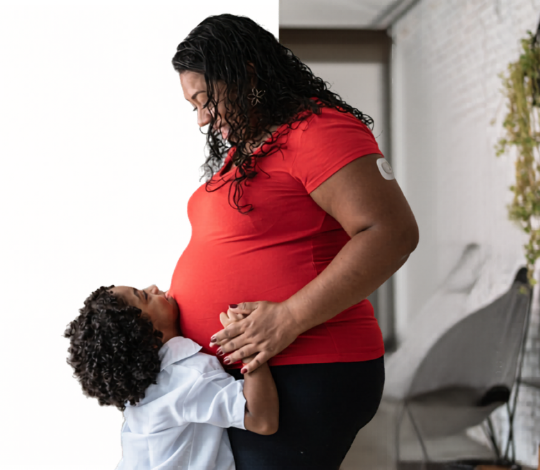
Continuous Glucose Monitoring (CGM) and Pregnancy
This webinar will introduce the Dexcom G7 15 Day technology, specifically tailored for healthcare professionals specializing in pregnancy and diabetes care. This session will delve into unique features of the Dexcom G7 15 Day system that are designed to significantly reduce patient burden and support outcomes through timely therapy adjustments and behavior modifications driven by real-time insights. Additionally, we'll provide practical Dexcom resources to support the successful implementation of CGM in your practice, ensuring you are well-equipped to leverage this innovative technology for your patients.
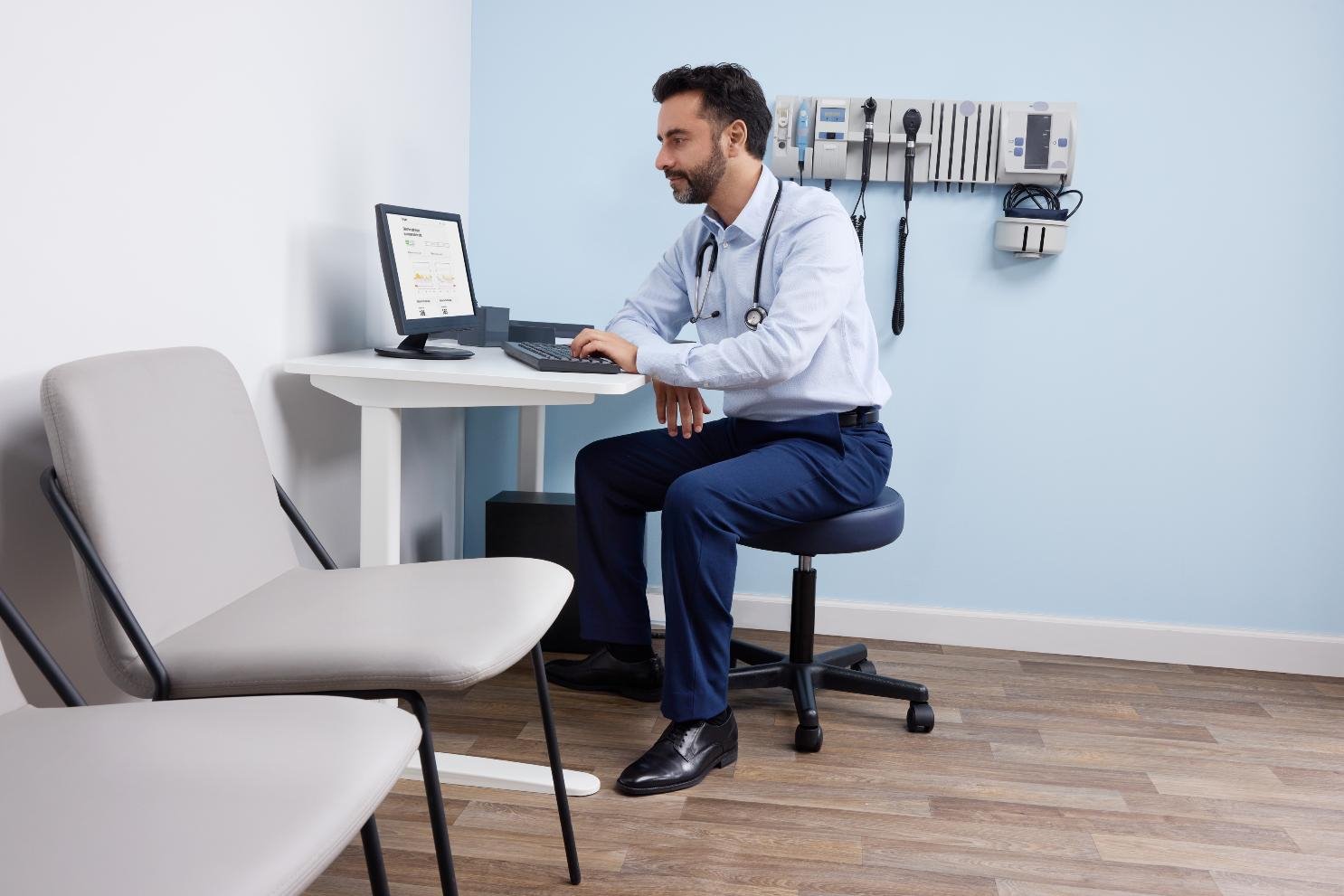
Introduction to Clarity Report Review & Interpretation
This video provides an overview of Dexcom Clarity report interpretation, including key CGM metrics, a three-step framework for interpreting the Ambulatory Glucose Profile (AGP), and a review of commonly used reports within Clarity. Viewers will learn how to use Clarity reports to identify glucose patterns and support data-driven clinical decision making and patient discussions.
-
Clinical Conversations
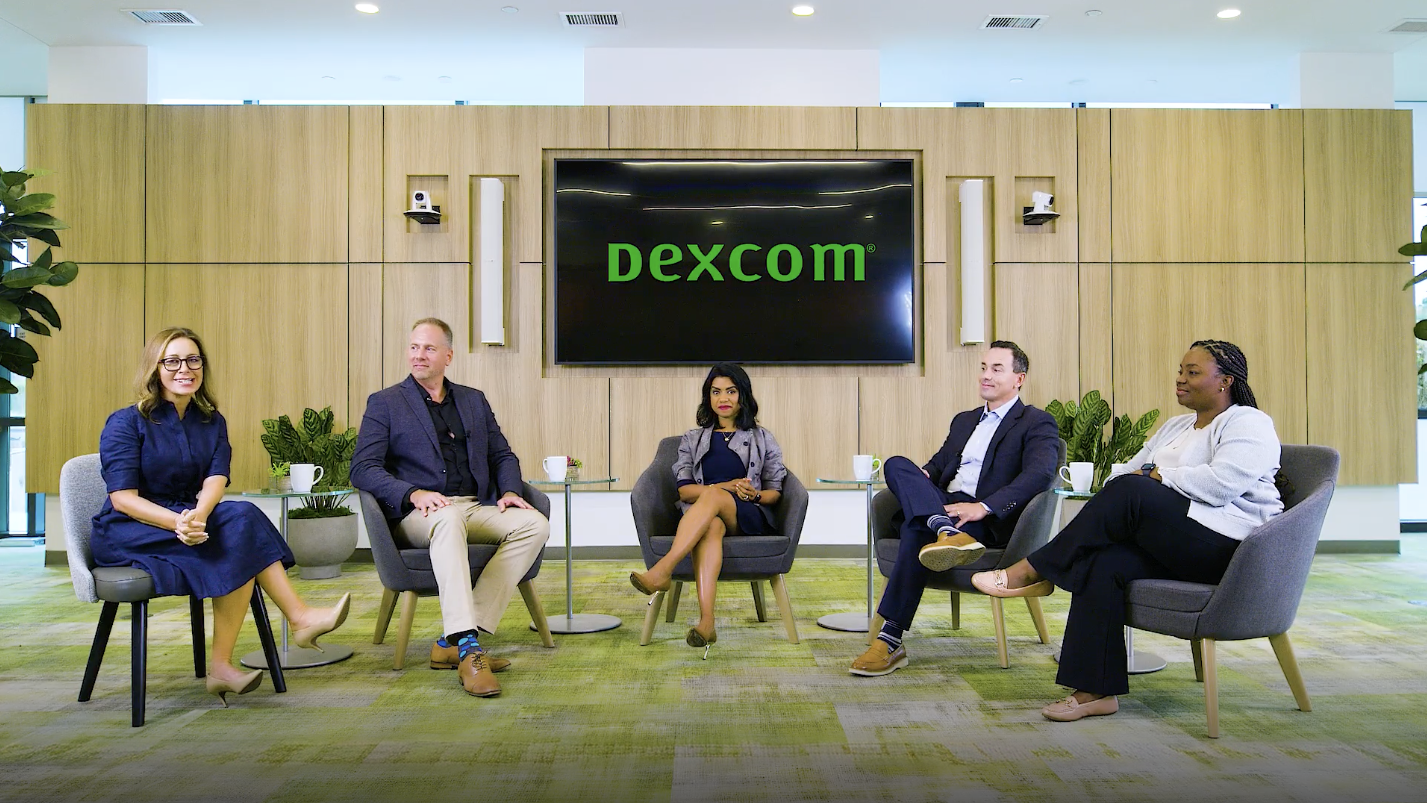
CHAPTER 1
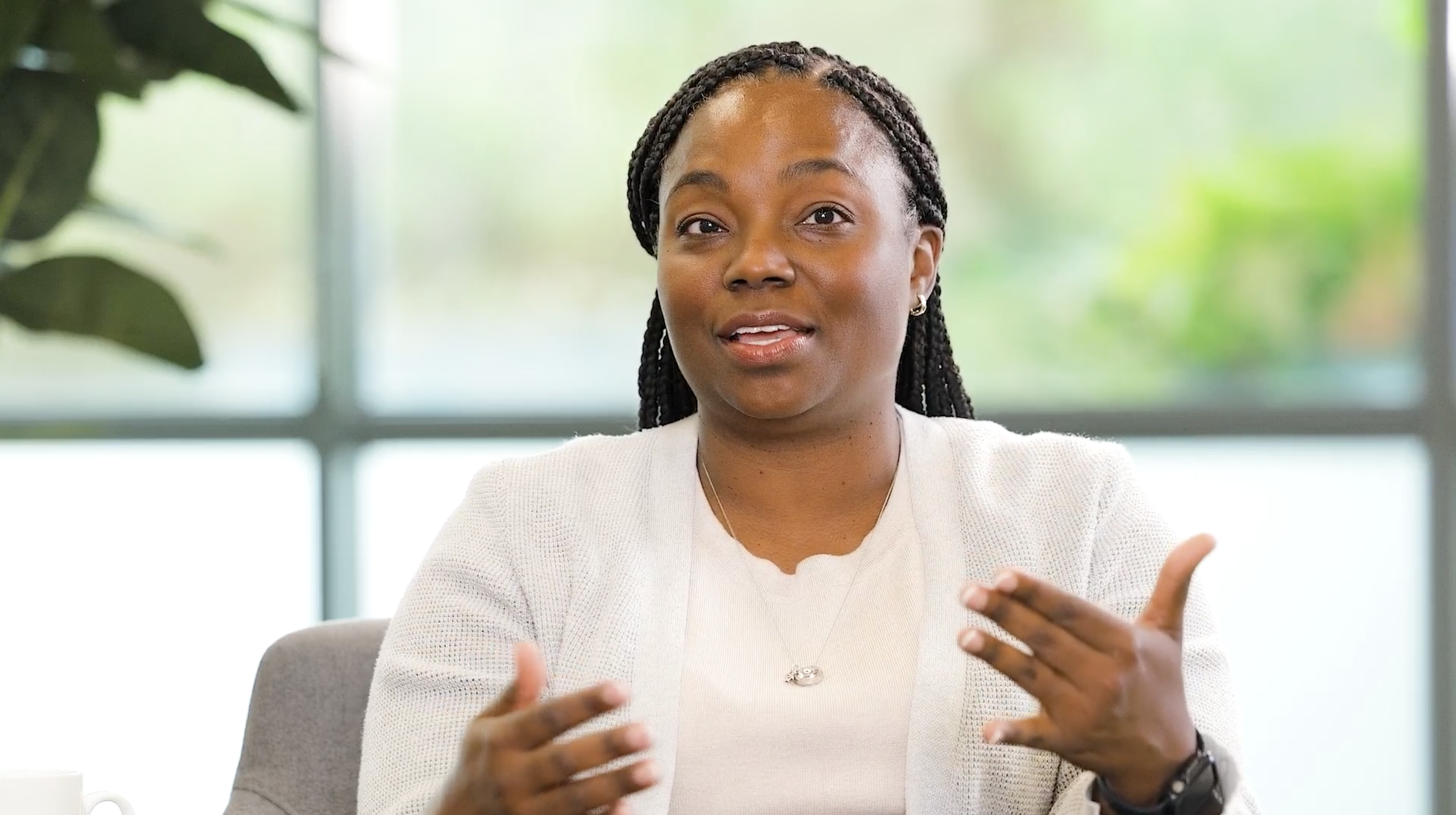
Expert Voices: Enhancing Diabetes Outcomes and Clinical Workflow with CGMs
Featuring Robin Loveday, MSN, FNP-BC, CDES (moderator) joined by David Doriguzzi, PA-C, Dr Aaron King, Dr Anita N. Swamy, and Joy Cornthwaite, MBA, MS, RD, LD, CDES
This KOL panel discussion explores how CGM enhances clinical decision-making by revealing glucose patterns missed by fingersticks and A1C. It highlights real-world impact across primary care, pediatrics, and pregnancy while improving workflows and provider–patient collaboration.
-
Transcript
Robin Loveday:
Hello and welcome, everyone. My name is Robin Loveday. I'm a nurse practitioner, CDCES. And today, we're going to discuss the role of continuous glucose monitoring, or CGM, with managing diabetes. We're going to review benefits, challenges associated with this type of device, barriers to adoption, but also the unique benefits of this device in different subpopulations of patients living with diabetes. If you'll start us off and introduce yourself.
David Doriguzzi:
Thanks, Robin. I'm David Doriguzzi. I'm a physician assistant. I’ve been working as a diabetes specialty PA for about 23 years. I am with a large medical group in Northern Los Angeles County in Lancaster, California. And it's a pleasure to be here today.
Dr Anita Swamy:
I'm Dr. Anita Swamy. I'm a pediatric endocrinologist, and I specialize in diabetes. And I'm in the awesome city of Chicago, Illinois, and honored to be here today.
Dr Aaron King:
My name is Dr Aaron King. I'm a family medicine physician in San Antonio. I've had an area of interest in diabetes now for about 20 years and enjoy taking care of full scope adults both with and without diabetes and also take care of type 1 diabetes.
Joy Ashby Cornthwaite:
I'm Joy Ashby Cornthwaite, and I'm a registered dietitian and a certified diabetes care and education specialist. I lead a group of clinicians taking care of high-risk pregnancies in Houston, Texas.
Robin Loveday:
So, the most recent American Diabetes Association, or ADA, guidelines now recommend CGM as the standard of care in adults with diabetes. CGM allows clinicians and patients to continuously monitor glucose levels, and this is making it easier to track glycemic variability. It's a critical piece of information because we know higher glycemic variability, it's associated with microvascular complications, nephropathy, neuropathy, retinopathy. Additionally, patients with diabetes using CGM frequently have greater glucose time and range, so 70 to 180 milligrams per deciliter, but also a corresponding improvement in A1C levels. So, how can missed glucose readings affect diabetes management but also help patients' outcomes?
Dr Aaron King:
Well, Robin, I'd like to maybe address this first. So, one thing we see so commonly in primary care is that people really don't do their finger sticks like they're supposed to. We advise them to maybe try different times of day, and they struggle with that. Oftentimes, they just struggle to do it at all. And so, when they come in and we're trying to make a decision about their care, it's very hard to do so if we don't really have that information. And this is where CGM is really going to open things up and help us out. It reminds me a little bit of a patient I had recently. She was a little bit in the older population. She was in her 70s, and her A1C unfortunately was creeping up. So, she was initially in the 6s, moved into the 7s, and was most recently on two oral medications and had A1C over 8. And I asked her what her blood glucose was looking like at home, and she really wasn't testing very often.
So, I talked about different options to add maybe a third therapy, and she was very resistant to that. And I understand that, obviously already being on two medications. So, instead, we decided to put her on a CGM and see if maybe she could begin to modify some of her diet, exercise, and maybe be also more consistent with her medication. And I was a little bit hesitant, to be quite fair. I thought maybe this technology is not going to work for this person in her 70s. And, lo and behold, I was absolutely wrong. Turns out that she came in just 3 months later, and her A1C was already at goal. And we began discussing actually reducing one of her medications because her control was so good.
Fast-forward to just recently, I saw her back one year later. And I'm happy to report not only was her glucose values no longer in the diabetic range, but she actually was off all of her medications completely. And so, while this is not always what happens, it's just a powerful statement to how we can use that information both on the provider side but also on the patient side as well.
Robin Loveday:
Yeah, I love it when our patients prove us wrong.
Dr Aaron King:
Yeah.
David Doriguzzi:
That's a great story. I'm reminded of a patient that I've taken care of for several years. Again, like your patient, she's an older lady. She's in her late 60s, and she has been type one diabetic longer than I've been alive. So, you can imagine just the journey that she's had and the changes that she's had to experience all along the way. I mean, her glycemic monitoring goes all the way back to where she had nothing more than just urine dipsticks. So, you can imagine that, for most of her time as a person living with type one diabetes, she's kind of been on her own having to just do whatever she had to do to make it work. So, she had very strong, developed ideas about what works, what doesn't, because that's what she made work.
As time went by, I started to introduce her to new options that might be beneficial to her, including CGM. And, initially, she was really resistant to it. She didn't want to do it. She said, "Look, listen, kid. I've got a way that I do this, and I do my finger sticks, and I do my injections." She never wanted a pump. She did her log books, and she just kind of made it work. And I never really pushed her that hard because her A1C was 6.4. So, I thought this is an option for you. I think this might help you. But, I mean, what can I say about your A1C? I can't argue with that.
Well, fast-forward a couple of weeks, and I get a call from her husband letting me know that she's in the hospital because he found her unconscious on the kitchen floor. And it turns out that she was having some pretty significant hypoglycemia events that we just never knew about because they weren't getting captured on her finger sticks. So, when she was released from the hospital, I finally convinced her just to try it. And come to find out that what was happening in between those glucose finger sticks—and what was not being captured by an A1C of 6.4, which is really just an average of everything—is that that was a very wide average of significant fluctuations in her glucose that were all taking place in between those finger sticks. And she was just so acclimated to those hypoglycemic events, and the unawareness that had set in was just profound. I was stunned to see just how significantly low she was getting. And it only took a slight decrease from the lows that she had been getting before to where it became a critical event where she's suddenly unconscious.
So, we started her on a G7, and she started to develop the ability to regulate her glycemic control in ways that she never was able to before because she was seeing what wasn't seen in the past. And she still maintained that target A1C, but now without those risks of the hypoglycemia events that she had become acclimated to in the past.
Joy Ashby Cornthwaite:
And in pregnant women, so in women living with diabetes in pregnancy, oftentimes we are given—the first data that we receive is a glucose screening or a confirmatory 3-hour exam. Recently, we had a mom come in, 20 weeks, and she had a 1 hour of well over 200 milligrams per deciliter. And if we had sent her home with just the usual check four times, we may have had to wait two weeks in order to get any information back on how we should treat her. Instead, she left the clinic wearing a sample CGM, and within 2 days, we already knew that her values were on average very close to 200. And we could act immediately. And the important thing about missed data between the single glucose checks is, especially in pregnancy, the amount of growth and change for a baby that happens in a week, it's monumental. And now, we can get the data between the single BGM checks and act immediately.
Dr Anita Swamy:
I think that's amazing. And I feel like, in pediatrics, my story to share is that children are very dynamic. They might go on a trampoline one minute. And then, unfortunately, get a virus and be bedridden the next day. So, it's really hard to keep up with all of these dynamic changes in their lives, their activity level, their growth. They do that thing called puberty. And so, it's critical for us to have a tool that helps us keep up with all of these changes. So, in that critical age group, I need those 288 data points. I need that every five minutes. I need that alert that tells me you're going to go low in 20 minutes. Not a check every eight to six hours, which is what we used to do. So, I think that those missed readings are where it's at for especially our pediatric population. I need those readings to do their care.
And I think the other way in which we've really utilized this is diabetes training camp. It’s a camp that we do for athletes with type one diabetes, both teen and adult. And I participate in the teen camp. And what we found is that the activity changes their glucose minute to minute—the type of activity, aerobic, anaerobic. Their preparation varies for this. Whether it's a practice or an actual game will affect their outcomes. None of these things did we know before we had a sensor.
Robin Loveday:
So, let's talk about the clinician workflow perspective. CGM can also bring to light specific components of disease management that still require intervention. So, how have you seen CGM impact the way that you treat your patients with diabetes?
David Doriguzzi:
Well, I can tell you that from my practice, my patient engagements are way more efficient than they ever used to be. A lot of what we spend doing in clinic is sort of trying to solve the mystery of what is going on in that patient's day-to-day life that's causing their A1C to be whatever it might be? What is causing elevations? What's causing hypoglycemia? And that mystery can be a lot more easily solved if we have the tracking available. And I've noticed that when I first started using CGM, I was kind of nervous that it was going to take a lot more time because more data, more information, more time, right? I think it's a natural assumption. But what I found is that I can actually accomplish more in a shorter amount of time. Because I can sit at my desk and—before I even go into the patient's room—I can open up their chart, and I can open up Clarity. And I can see what's going on at a glance.
I'm not teasing out numbers. I'm not tracing lines. I'm looking at a single picture. And without even really paying attention to a specific number, with colors and images, I can get a very quick idea of what's going on in that patient's glucose metabolism over the past 2 weeks or so. I can see where there's lows. I can see where there's elevations. I know what's going on with fasting. I know what's going on with postprandial glucose. And I can walk into that patient's room very, very informed knowing what we're up against, and that can help guide the conversation. We can speed up the mystery-solving part of it and go in knowing a little bit more about what we need to attack in terms of their challenges.
Dr Anita Swamy:
And I would say that, just to piggyback, I completely agree. In our clinic, we have Clarity. And all of our patients are in Clarity, thank goodness. It's very easy to do. And so, we are able to see what's walking in an hour before clinic even starts. And, in my particular population, the underserved in the south side of Chicago, there's sometimes that there's other circumstances. They might not be able to afford supplies or there's other issues. And I can detect that on the download before I see the patient. And so, then I can call my social worker and say, "I really want you to be present for this patient," or my psychologist. I can detect burnout. We can see if the systems are working for them when we put them on AIDs. So, the way that CGM has impacted the way I treat my patients is it's made me a much better doctor and a much more involved doctor. And the interactions are far more meaningful than they ever were in the past.
Joy Ashby Cornthwaite:
Yeah. And I would say that this applies very well to all of our patient care spaces. Clarity is a very important tool—as you mentioned, David—in removing the reactive, “How do I decipher this?” And it's a panic response in the moment because the patient has to bring you the data then and there. And then, you can't process it. They can't process it. And you're spending valuable clinical time trying to process it together versus having a really robust conversation on how are we going to, together, take care of these challenges?
The compare and contrast is one of my very favorite features in the Clarity app. I really love to sit with my patient, take a look at what we did last time and how that might have impacted the values this time. And, in that way, we can together decide what the best course for it is. But I can also cheer them on and say, "You have achieved XYZ," where we may not have been able to see the things that they succeeded in before. And maybe it wasn't exactly the goal that we set last time, but something else changed and something else improved. And we can really focus on that and let that motivate our path forward together.
Robin Loveday:
Absolutely. Yeah, and I think it's nice, David, to your point, you kind of know what you're doing before you walk in. And it gives you time to be human and to have that relationship. But instead of necessarily diving straight in, you can say, "Hey, how's your family? How's life been?"
David Doriguzzi:
And I love what Joy talked about, as far as the concept of togetherness—approaching this problem as a team rather than the conflict of provider versus patient. I mean, it really shouldn't ever be that, should it? It shouldn't be us against them. You beautifully described an idea of the team of that provider and patient working against the conflict of their own health and where they need improvements. And I think that sitting down with a patient and pulling up right on my tablet, showing them that same Clarity report that I just looked at, and we can investigate it together. And then, the patient starts to learn more about what's going on as well. And now, suddenly they're more equipped just like I'm more equipped to approach their diabetes as well.
Dr Anita Swamy:
Yeah, absolutely. Encouraging.
Dr Aaron King:
I want to add to that, David. I agree with what you said. We've been talking about using Clarity and how we all enjoy looking at all that data before we go in. And it's almost like taking one step back to take two steps forward. So many times in primary care where you're seeing patients every 15 minutes, you've got so many different problems to fit within that tight time space. It's very hard to stop and pause and say, “Okay, with the way that I'm flowing, the way I do things, is it worth it for me to do something different, to introduce a new technology or a new flow into my practice? Maybe I'll just keep doing it the way I'm doing it. It seems to be working.” But there is that moment where we need to, like I said, take a step backward, maybe take a few extra minutes, get comfortable with Clarity and learn how to integrate that. So then, when we go in, we can sharpen up our conversations and really be much more productive with that time in the room.
And you mentioned sometimes for those providers that aren't yet using Clarity, there is an option there where they can also just take the patient's smart device or the receiver, if they have one, and they can look on that and use that data to interpret. And then, as long as you're documenting that they're looking at adequate amounts of data and they're using that data to make decision-making within their note, that's a perfectly okay way of doing things.
But I think once providers begin to do that, they're going to realize that's somewhat inefficient also. You're taking that patient's phone, and you're asking for their permission, and then you're flipping through different screens. And one thing that Clarity has done that's really nice is you can go right into that app, as you know, and you can click on the Clarity Clinic tab and put in a code. And every provider can set up their own code. It can be just one simple word or maybe the name of your clinic or the name of you yourself. And then, you can put that in for all your patients, and it'll immediately link them back to Clarity. And I think once providers get to doing that consistently, they'll get comfortable with that and they'll find that to be very efficient.
David Doriguzzi:
It really is. It was a lot easier to do than I initially thought it might be. And while having that on their phone is really convenient for people who aren't sharing or perhaps just we haven't set that up yet or providers haven't set that up. What you said a moment ago about taking that step just to invest the time into learning how to interpret an AGP, for example, how to use Clarity. It's really not that hard. And the idea of ongoing education, taking the time to continue learning, is something that we're all very familiar with. Nothing wrong with spending a little bit of time learning how to use a tool that will actually vastly speed up our patient interactions. It really does save me a lot of time. I would imagine you all probably have had similar experiences.
Dr Aaron King:
Yeah, I feel like once you take that step, it's almost impossible to think about going backwards. If I have a patient not on CGM, I know that's going to be a longer, more difficult conversation around their diabetes than those patients on CGM.
David Doriguzzi:
Way too much guess work involved.
Dr Anita Swamy:
And I would say just in telehealth, so the world of virtual care has exploded. And I feel like I have to have them in Clarity in order for me to do a good service. I don't think I'm able to offer any assistance with a virtual visit if you can't see data. So, we're all so data-driven today, and I think that Clarity makes it very easy for us to hold these virtual clinics and help our patients between their in-person visits. Nobody wants to go in every three months. So, if you can facilitate that and have some assistance, even touch points every week, you can look at Clarity. It doesn't have to be a virtual visit. It can be a phone call with an educator to say, "I was struggling." So then, we can pull it up and take a look and say, "Oh, I see. Let's change this," is really powerful. We could never do that before.
Joy Ashby Cornthwaite:
And in the pregnancy space, that insight between clinical visits is especially important because our visits are far more frequent. So, it can be every week, every other week, depending on the changing hormones and the changing glucose values. For many people, they're unaware that pregnancy is a moving target—faster than living with gestational diabetes outside of pregnancy. Every week that the placenta grows, I like to tell my patients it's like the baby has their own personal baby mafia. And so, the placenta hormones are increasing and gathering strength and determining where mom's glucose values are going. And that is a natural progression in pregnancy. But that means that we have to look and see those values weekly and then make clinical medication changes weekly if necessary. And with the data analysis that Clarity allows, you get that—data-gathering peace happens before the visit happens, and that saves you an extraordinary amount of time. And that time saved can be reinvested in conversation, decisions, and end with a shared decision when someone's going home. It's a beautiful thing honestly.
Robin Loveday:
I love that baby mafia. Boss Baby is what I am picturing in my mind.
Joy Ashby Cornthwaite:
Exactly.
Robin Loveday:
Thank you all so much for your time and your expertise. This has been an absolute pleasure and thank you so much for joining us.
CHAPTER 2
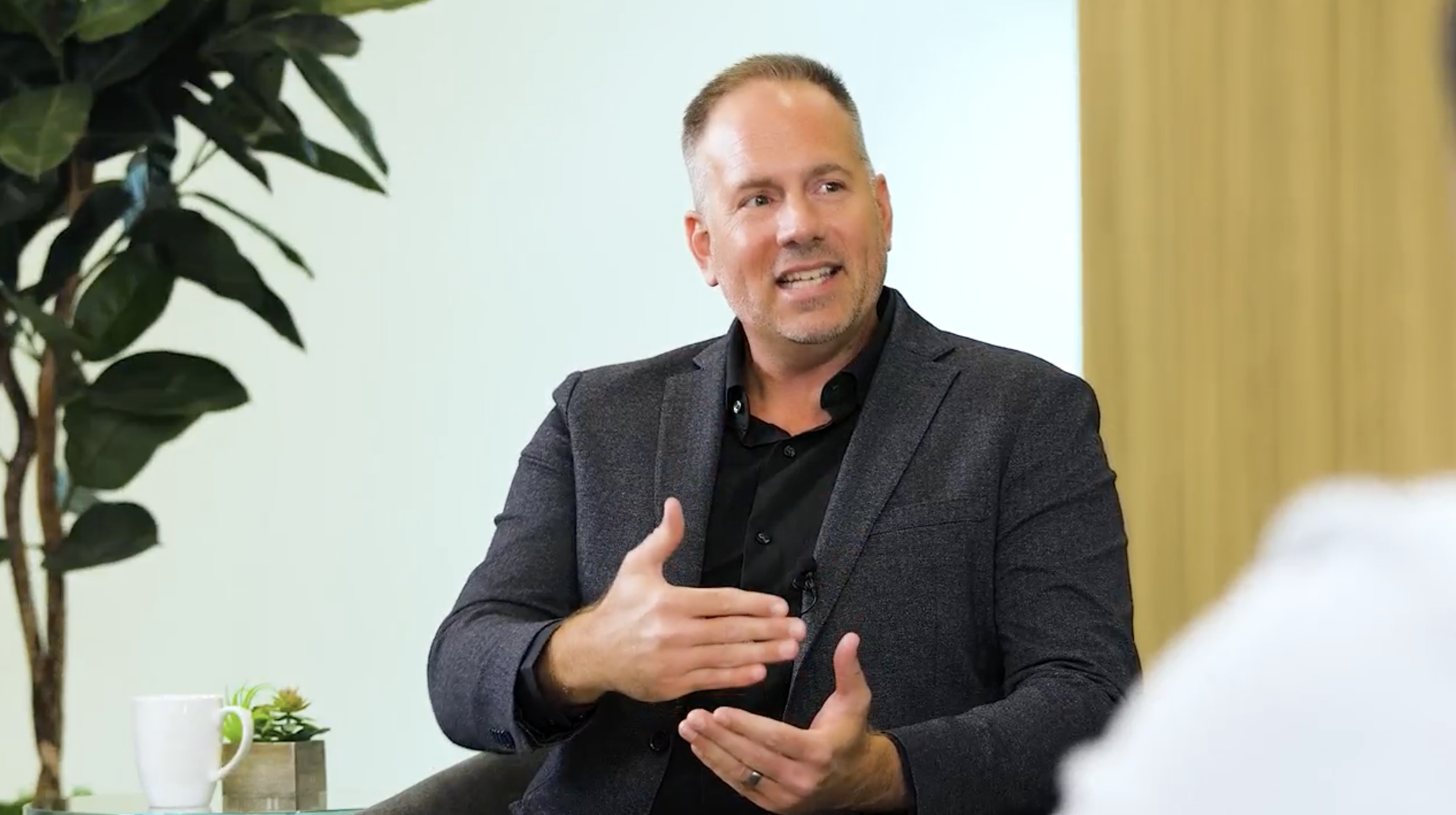
Personalized Precision: CGMs as a Partner in Every Diabetes Journey
Featuring Robin Loveday, MSN, FNP-BC, CDES (moderator) joined by David Doriguzzi, PA-C, Dr Aaron King, Dr Anita N. Swamy, and Joy Cornthwaite, MBA, MS, RD, LD, CDES
This expert panel explores how CGM complements diabetes therapies, including GLP-1s, by providing deeper insight into glucose patterns over time. It illustrates how continuous glucose data supports medication and insulin decisions, connects lifestyle behaviors to glucose response, and aids diabetes management across clinical settings.
-
Transcript
Robin Loveday:
Hello and welcome, everyone. My name is Robin Loveday. I'm a nurse practitioner, CDCES. And today, we're going to discuss the role of continuous glucose monitoring, or CGM, with managing diabetes. We're going to review benefits, challenges associated with this type of device, barriers to adoption, but also the unique benefits of this device in different subpopulations of patients living with diabetes. If you'll start us off and introduce yourself.
David Doriguzzi:
Thanks, Robin. I'm David Doriguzzi. I'm a physician assistant. I've been working as a diabetes specialty PA for about 23 years. I am with a large medical group in Northern Los Angeles County in Lancaster, California. And it's a pleasure to be here today.
Dr Anita Swamy:
I'm Dr. Anita Swamy. I'm a pediatric endocrinologist, and I specialize in diabetes. And I'm in the awesome city of Chicago, Illinois, and honored to be here today.
Dr Aaron King:
My name is Dr Aaron King. I'm a family medicine physician in San Antonio. I've had an area of interest in diabetes now for about 20 years and enjoy taking care of full scope adults both with and without diabetes and also take care of type 1 diabetes.
Joy Ashby Cornthwaite:
I'm Joy Ashby Cornthwaite, and I'm a registered dietitian and a certified diabetes care and education specialist. I lead a group of clinicians taking care of high-risk pregnancies in Houston, Texas.
Robin Loveday:
So, let's talk about medications and let's talk about the synergistic effect that you all see there. And, obviously, CGM helps patients to better understand, right? They're making the behavioral changes. They're seeing things, quality, quantity. GLPs is the big trendy medication now, right? Can you guys talk to us a little bit about CGM and how it plays a role there?
Dr Aaron King:
I'd like to jump in there, Robin. I think if you had asked me, if you did a study looking at patients going on GLP-1s and you added some of those to CGM as well, would the CGM have an additional benefit? And my honest gut impulse would be, no, I don't think so. These GLP-1s are so powerful. They're really transforming diabetes, as you said, for obvious reasons and good reasons. Maybe we can't add to that with CGM. And yet, our data that we have is surprising and that I would've been wrong. It turns out that actually patients do better on GLP-1 plus CGM.
And I think there's a lot of different potential reasons for that. But a lot of that is that feedback and that constant touchpoints that we get with CGM, or that the patient gets. We forget that we only see them every 3 months. And so, for that 15 minutes that we see them—if we're lucky to see them every 3 months—it's a very concentrated conversation. And then, they're going home and living with this disease for 99% of their life.
And so, the CGM is there basically to walk them through the rest of that life when we're not there to help. And so, it makes perfect sense as somebody motivated to take care of their diabetes, to eat better, to potentially lose weight. And we have these agents that can help with all that. We can then augment that further with CGM. And so, I try to remember that data when I'm prescribing GLP-1s that CGM can still be of great benefit here as well.
David Doriguzzi:
I've noticed that there's different reasons that patients won't take medications. If it's making them feel worse, if they're experiencing adverse effects, they're going to stop taking medication. But a patient also won't take a medication if they don't believe that it's actually helping them, even if they feel fine. I mean, how many times have we prescribed a statin to a patient and 3 months later you come back, and they tell you that they stopped taking it because they didn't feel any different? You're like, "Well, that was kind of the point."
But if a patient doesn't get a perception that this drug that I'm taking is actually doing something for me, why would they take it? And I can understand that mentality. Having a CGM gives them that knowledge to see that what we're prescribing them may actually be doing them some good. When they start seeing the difference in their time and range, when they look at their phones and they see that green bar growing, and they see the reds getting less, and they see the yellows becoming more narrow, I mean, that's a really, really encouraging thing. And when a patient is encouraged, they're far more likely to be—and I hate using this word, but compliant, right? They're going to be more part of the team because they feel like they're actually accomplishing something.
Dr Anita Swamy:
And I think it's not just specific to GLP-1s but any drug. I don't care what I put you on, whether it's SGLT2, GLP-1, you name it, DPP-4 inhibitors, the point is that you are now having that patient aware of the drug effects. And separately, they can also see the food effects that I know we're going to talk about a little bit more later. But I think marketing is huge and people might not realize what all these products have in them or drinks with sugar.
They might not realize what that sugar actually does to their glucose. And so, you might speak till your blue in the face. I used to say, "No soda. No soda." And then, having someone come in and say, "I drank this, and my sugar went to 400," and it's like they have that eureka moment. And so, they're much less likely to do it. Even if you are having them on other drugs, it's important to have that component of self-awareness.
Dr Aaron King:
You know, David, one other scenario that I think of when we talk about GLP-1s and the incretin therapies. In primary care, as you know, the incretin therapies have been out now for about two decades. And yet, it took primary care about 10 to 15 years to really get comfortable. And so, we saw a great uptick in the prescribing habits of incretin therapies in the last five years.
Well, what that amounts to is we have a lot of patients on basal insulin. That was kind of the right approach, if you will, after you failed one or more oral agents 10, 20 years ago. And so, the real question is, how do we now put these patients on these therapies that we know are advantageous and how do we get them off of their basal insulin safely?
And I get that question a lot from primary care doctors that I'm talking to. And the truth is there's no one answer. There's a lot of different strategies and techniques, but it all depends on the individual situation. Well, what better way to see that individual situation than with Dexcom? So, if that Dexcom is in place, now I can make educated recommendations on how to offload the basal while uptitrating the incretin therapy.
David Doriguzzi:
And for engaged patients, it really empowers them to be able to be informed enough to make those self-titration adjustments as needed. Whereas before, we might not have really wanted people to make a whole lot of unguided choices on insulin doses, but now they can see every day what their needs might be. And if suddenly they don't need as much insulin, hallelujah, cut back the dose and you're now aware of that.
Dr. Aaron King:
And in a busy primary care office where you don't want callbacks, I find you're exactly right. Most of the time patients understand this concept. It's not complicated, right? Maybe give them a basic strategy if your blood glucose goes low, decrease your insulin by this much. And I find often they come back in 3 months and say, "Hey, I'm happy to report, I'm no longer taking insulin." I got off of that safely without hypoglycemia.
David Doriguzzi:
That's amazing.
Robin Loveday:
Yeah, I always call that deputizing my patients when I would tell them to do something. And so, in addition to increasing the medication, can you guys talk a little bit more though, because CGM fits into that equation, because it's allowing people to see their behaviors, what is that like though to deprescribe, and that medication list suddenly becomes that much shorter? I imagine your patients are very excited and—yeah. Can you share any more stories?
Dr Aaron King:
Yeah. Well, I mentioned the one earlier, and it's amazing to see the countenance change. When somebody is not to goal, they feel a little bit like a failure. They feel a little bit guilty. They're taking multiple medications. For them to then come off of therapy and still be achieving success, changes their whole perspective on their health, on the outlook of themselves and what they can accomplish. It's so empowering for the patient and it's amazing to think that just a tool that really I was the gatekeeper for, and if I hadn't brought that up or allowed that to happen, maybe it wouldn't have occurred. All it took was me simply saying, "Yes, you can have this technology” to give that patient that power over their own health is really meaningful.
Robin Loveday:
So, Dr King, with that being said, how have you and your practice seen CGM impact your patients’ glycemic control? What was that empowerment like for them?
Dr Aaron King:
Yeah. Well, I always say that CGM is the single most important thing you can do for your diabetes. And the analogy I like to use is that of when you're on insulin, especially, but even in oral agents that cause hypoglycemia, diabetes is like driving the car. And there are ditches on either side of the road that can be very dangerous.
And what if it's night and you can't see? The way BGM used to work is we would flip the lights on in the car, see where we're going, and then turn the lights off in the darkness and drive down and hope we don't end up in the ditch. Very unsafe, very dangerous. Now that we have CGM technology readily available, it's like the lights on the car are on all the time and you can greatly avoid the ditches and just head right down the road successfully.
David Doriguzzi:
Yeah, I agree with everything you just said about enabling a patient to be treated much more safely. And I think patients really want to do well. One thing that I've really noticed about the patient journey is that it really sort of gives patients the motivation to keep working at this, because patients want to be successful. Patients want to be healthy, and patients will do things that allow them to be successful in that goal, right? Patients won't do things if they feel like it is unhelpful.
I mean, just look at the supplement industry. There's an entire industry out there that is giving people the hope of, “This is something that will help your problem, and it's not medication.” And people are, "Yes, thank you." I'm not trying to say anything negative about the supplement industry. There's probably plenty of things out there that are quite helpful. But the concept is that people would like to be better with the least amount of medications possible, and I think we want that for our patients as well.
So, it's important to remember that there is, particularly with type 2 diabetes, there is a whole world of efforts that patients can make—whether it's diet, lifestyle, a combination of the two, decreasing stress, improving sleep quality—that will improve their ultimate outcome. And enabling them to be aware of the cause-and-effect relationship between each of those variables and what it does to their glycemic control is highly motivating.
If a patient puts in all sorts of effort, diet changes—but they don't really have the guidance—exercise, but maybe they don't really know how much or what type to do. And they're trying. They're really legitimately trying. And then, they put all that effort in for 3 months, just to come back to my office and see that their A1C is still above 8. That is profoundly disheartening. That is super discouraging. And I really believe that that's where a lot of our patients give up.
But if they can see in between in real time what works, what doesn't work. "Oh, I thought oatmeal was healthy and good for me, but wow, look what happened." And they don't even need me standing there next to them telling them what to do in every moment. They have that feedback in real time. And what they learn on their own, the conclusions that they draw from their own experiences, are always going to be much more impactful than anything that I tell them.
Dr Aaron King:
Yeah, I agree. And I want to add there that even though it—as I always say, “It seems like a good idea.” We know that it is a good idea. Meaning that, we have both real-world and prospective data looking at 1 week, 1 month, 3 month, 6 month, 12 months. Patients not only gain that control, but they also keep it there. And that shows you the value of what you're talking about, that if patients didn't find that value there, they would stop the therapy. But they don't. Over 90% of patients continue that therapy indefinitely. And so, we know that they're getting that feedback, and it continues to work. It's not a temporary motivational factor. It's a lifelong journey that they're walking through with this technology.
Joy Ashby Cornthwaite:
So, one of the important tenants of—and the connecting threads of what you just spoke about—is the idea of self-efficacy. So, as a dietitian in this space for a very long time—I won't tell you exactly how many years—having patients come in and, despite the pain, despite the burden, despite the stigma, despite the time-consuming checking their blood sugars, people would continue to do that. And they would do that and adjust whole medication, as well as their food choices for not only themselves but their entire family.
And to come back and only have four finger sticks that said, "I am still not succeeding," that was a huge detriment to all of the gains that had been achieved in the 2 weeks or 4 weeks between visits with them. What CGM allows patients to see is to see how their changes are impacting their glucose.
And that repeated positive reinforcement boosts self-efficacy in ways that we have come to understand through research. So, you've got motivation involved there. You've got repetition and habit-forming involved there. You also have the positive influence of everyone in the family is feeling better and you haven't made these huge changes to your entire family's grocery list and eating habits for nothing to end up being more positive.
Coming in and having a blood glucose value and having someone circle on your piece of paper in red ink to say how terrible you've done is not really a good positive motivator. But if you have an AGP and a compare from before and after that says, "I have done a better job this time—there is more green involved," it's highly motivating. And that self-efficacy is what keeps them going 12 months down the line.
Dr Anita Swamy:
I think in diabetes type 1 or type 2 is a feeling of failure and guilt, and there's a lot of blame and judgment. And we were even practicing in that way for decades because that's how it was. And so, I'm so happy we've come a long way. But I feel like CGM has been the tool to help us really understand and get there. So, just to share a personal story, my entire family has type 2 diabetes. And my dad actually passed away from complications of type 2 when I was 12. So, that was the impetus for me to become a diabetes doctor.
And through my training and my fellowship, we had an opportunity to wear a sensor. And I was fairly healthy, and I thought I did a pretty good job. And, lo and behold, I had prediabetes. And I, a medical professional, had no clue. And so, that really was the moment for me where I said, "How can I expect anyone else to understand if I had no idea?" And also, I kept blaming myself or I'd get upset if I ate something I shouldn't.
And so, I think it's more learning over time that there's things in moderation. There's things that are in your control. The whole term, brittle diabetes, I think comes from people's lack of control and lack of understanding. And I tell people it's not brittle, it's just that we were educated and uninformed. And so, this is now informed diabetes. It is empowered diabetes. And I feel like, back to what you were saying, Dr King, about the headlights. I think that is so critical, even for providers, for us to understand. I have every patient on a Dexcom G7 for that reason.
Robin Loveday:
Thank you all so much for your time and your expertise. This has been an absolute pleasure, and thank you so much for joining us.
CHAPTER 3
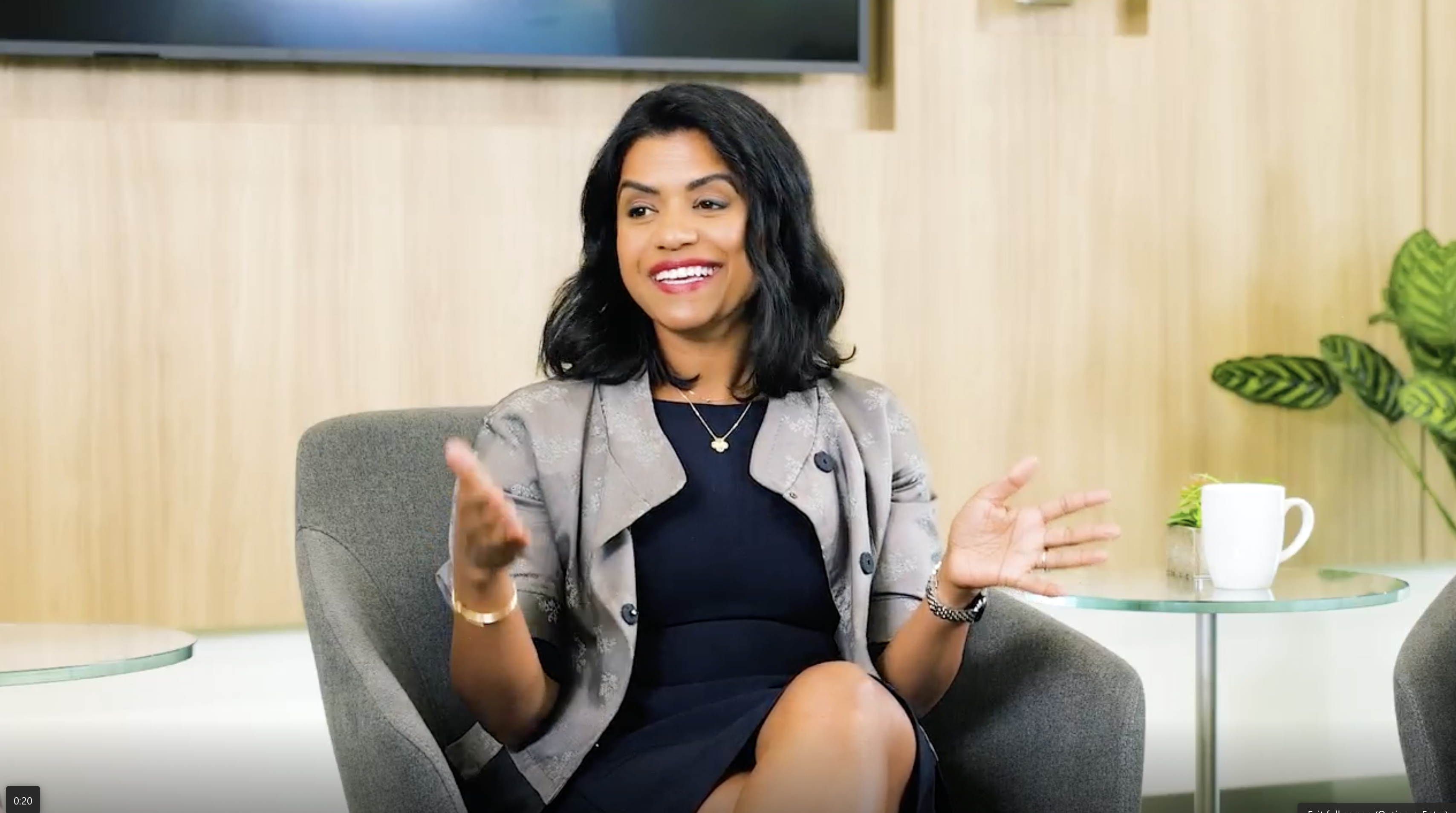
From Uncertainty to Insight: How CGMs Are Transforming Diabetes During Pregnancy
Featuring Robin Loveday, MSN, FNP-BC, CDES (moderator) joined by David Doriguzzi, PA-C, Dr Aaron King, Dr Anita N. Swamy, and Joy Cornthwaite, MBA, MS, RD, LD, CDES
This panel discussion focuses on the role of CGM in pregnancy and gestational diabetes care, highlighting how continuous glucose data reduces reliance on fingersticks and reveals evolving glucose patterns. This added visibility helps clinicians and pregnant patients adapt to changing needs and deliver more individualized, pregnancy specific care.
-
Transcript
Robin Loveday:
Hello and welcome, everyone. My name is Robin Loveday. I'm a nurse practitioner, CDCES. And today, we're going to discuss the role of continuous glucose monitoring, or CGM, with managing diabetes. We're going to review benefits, challenges associated with this type of device, barriers to adoption, but also the unique benefits of this device in different subpopulations of patients living with diabetes. If you'll start us off and introduce yourself.
David Doriguzzi:
Thanks, Robin. I'm David Doriguzzi. I'm a physician assistant. I’ve been working as a diabetes specialty PA for about 23 years. I am with a large medical group in Northern Los Angeles County in Lancaster, California. And it's a pleasure to be here today.
Dr Anita Swamy:
I'm Dr. Anita Swamy. I'm a pediatric endocrinologist, and I specialize in diabetes. And I'm in the awesome city of Chicago, Illinois, and honored to be here today.
Dr Aaron King:
My name is Dr Aaron King. I'm a family medicine physician in San Antonio. I've had an area of interest in diabetes now for about 20 years and enjoy taking care of full scope adults both with and without diabetes and also take care of type 1 diabetes.
Joy Ashby Cornthwaite:
I'm Joy Ashby Cornthwaite, and I'm a registered dietitian and a certified diabetes care and education specialist. I lead a group of clinicians taking care of high-risk pregnancies in Houston, Texas. So, as a dietitian in this space for a very long time—I won't tell you exactly how many years—having patients come in and, despite the pain, despite the burden, despite the stigma, despite the time-consuming checking their blood sugars, people would continue to do that. And they would do that and adjust whole medication, as well as their food choices for not only themselves but their entire family.
And to come back and only have four finger sticks that said, "I am still not succeeding," that was a huge detriment to all of the gains that had been achieved in the 2 weeks or 4 weeks between visits with them. What CGM allows patients to see is to see how their changes are impacting their glucose.
And that repeated positive reinforcement boosts self-efficacy in ways that we have come to understand through research. So, you've got motivation involved there. You've got repetition and habit-forming involved there. You also have the positive influence of everyone in the family is feeling better and you haven't made these huge changes to your entire family's grocery list and eating habits for nothing to end up being more positive.
Coming in and having a blood glucose value and having someone circle on your piece of paper in red ink to say how terrible you've done is not really a good positive motivator. But if you have an AGP and a compare from before and after that says, "I have done a better job this time—there is more green involved," it's highly motivating. And that self-efficacy is what keeps them going 12 months down the line.
And in terms of women living with diabetes and pregnancy type 1, type 2, gestational diabetes, I find that there's less of a hesitancy, especially given that there is now FDA approval for use of CGM in pregnancy as well as moms arriving to clinic saying, "I know my grandfather or a friend or a family support person lives with diabetes and they wear a CGM. There are so many things I have to do in pregnancy. I have to make sure I eat well. I have to take my vitamins. I have to sleep. I have to come to the clinic every month or every 2 to 3 weeks in the month. I don't want the added burden of finger sticks. Also, PS, I'm pregnant. And so, I'm super sensitive, and my fingers hurt. How can I get on a CGM?"
And so, I think that, more and more, if we are going to be responsive as an OB-GYN MFM community to the needs and wants of moms living with diabetes and all of the burden that comes with being pregnant period, we need to provide CGMs as a way to easily collect data and take care of moms.
And in the OB-GYN and MFM space, it's important to recognize that the standards are guided by ACOG or SMFM. And the standards of care still remain four finger sticks per day, despite FDA approval and regular utilization of CGM during pregnancy. In my opinion, I do think—and I do see, as more data is collected around outcomes and efficacy for both prenatal and maternal health in terms of things like preeclampsia prevention, improvement of glycemia during pregnancy, during delivery, also respiratory distress in babies when they're born, large for gestational age being impacted—I think all of those clinical trials are going to lead to a very different stance in the very near future from ACOG and SMFM. But we're still waiting for that. But I think it's very important to recognize that those standards currently exist. And while ADA standards are for use, ADA has recently come out with recommendations, very strong expert opinion recommendations, supported by trials for use of CGM in every mother who lives with type 1 diabetes during pregnancy. So, I think that there is some hesitancy to go against the grain right now, but I think the grain is changing.
The nice thing about Urgent Low Soon is that it's linked to both velocity or rate of change as well as directionality. And so, in pregnancy there's times where highs and lows occur. And you may not exactly know why, and they're unpredictable—because of a recent change in medication or a change of food or a food preference or nausea and vomiting. There's a whole slew of different pregnancy considerations that happen that can influence blood glucose. And so, when moms are able to see that and respond to them accordingly based on what they were experiencing, we do see a reduction of the rebound hyperglycemia or highs that come from overtreating. And we can stop the sort of diabetes roller coaster, which is that glycemic variability that's very real in pregnancy and often occurs every day.
Robin Loveday:
What benefits, Joy, do you see regarding the use of Dexcom CGM in patients with gestational diabetes?
Joy Ashby Cornthwaite:
So, first and foremost is frequency of checking. So, when we ask a person who's pregnant and living with diabetes, all types of diabetes, to fingerstick on top of all the other considerations and responsibilities of life and pregnancy in general, the return on that ask is sometimes a lot lower than we expect, right? So, if you've got, for example, I have a mom who is an RN. So, she knows the importance of checking her blood glucose values. But she also is an RN in an ICU setting, which means that she has to wear a lot of personal protective devices and equipment. If she goes into a patient room, when she comes out she needs to wash her hands. She can't keep her BGM supplies, needles, machine, everything on the floor with her. She has to go to her locker, unlock her locker, check her blood sugar. She's unable to do this continually every single day while she's pregnant because she's a nurse, and she has to take care of patients as well.
And so, despite her best efforts, she wasn't able to keep bringing us back the recommended four checks per day. So, you put a CGM on her and that reduces the burden, right? And now, she's able to see her glucose values. She's able to understand how stress impacts her blood glucose values. On the days that she's on for 12 hours, her numbers were significantly higher. And we're able to adjust her medications based on that than on the days when she was off of work, depending on food choices. All of these things are huge barriers to improving those outcomes that we strive for, right? So, we want to mitigate preeclampsia. We want to mitigate large pregestational age. Yet, we're wanting to depend on single-point values that don't tell us anything—that we may never get all of those values anyways. I think CGM is going to change pregnancy care. It already has.
Dr Aaron King:
To that end, Joy, I'm curious on your expertise here. It seems to me like this is the prime patient that we should be using CGM in. It's almost amazing that it's taken this long to really move into becoming the standard of care and being accepted. But I'm also wondering—we've been talking about barriers both to providers and to patients. What are your patients' reactions when you suggest that? And how open are they to the technology? It seems like they'd be really ready to pick that up. I mean, every mom I know there’s nothing more important than the health of their infant. And so, can you comment on that?
Joy Ashby Cornthwaite:
Yeah. So, most moms in our clinical practice that I see are really willing to try, at least first place it and experience it. And even if they're a bit hesitant, we have samples, like you were saying before. And we place it on them, and they're like, "Oh, my goodness, that didn't hurt." Initially, it's like, "Wait, there's going to be a needle and it's going to..." I'm like, "The needle's not going to be left behind. You're going to feel one single prick. And then, it's going to be on there, and you can read it to your phone." And they're like, "Okay." And so, we sit down together. I have them place it. They place it themselves or I place it for them, and it's an immediate relief.
You can see how relieving it is because they've been checking their fingers, and it hurts, and all sorts of things. And they're like, "And now, do I have to write this down? Do I have to fax it over to you? Do I screenshot it in my EHR? How do I get this number back to you?" You're like, "Well, we just put in the code, and it comes directly to the clinic." And they're like, "Oh, so I put this on every currently 10 days," soon to be 15 days, "I put this on and it shows on my phone. And then, you just get it, and I just show up at my appointment?" It's like, just like that. That's what happens. And they're like, "Okay, this is amazing."
And then, we might have a few moms who are living with diabetes before pregnancy and currently doing the BGM route. Those moms are probably the most hesitant patients that we have because of the stigma that they've lived with for their entire lives with diabetes. So, bringing in a log has always, for them, meant someone's going to judge them based on the numbers and what they have failed to achieve—not what they've achieved, but what they’ve failed to achieve. And so, their first question is, "If I put the CGM on, you will see all these values?" And then, they hesitate. And then, we remind them that, because we see what was previously unseen, we are going to be able to mitigate or reduce the risk to you and the baby. This is not a judgment about what you have failed to do, but it provides us with information to move forward.
And that's an important thing when you recognize that that's what’s holding back those particular patients, you want to speak it into reality. You want to say to them, "I understand what it is that you're trying to tell me or what you're not saying.” And then, you can move through that. “Yes, I'm going to be able to see it, but no judgment. We're going to use it to move us forward." And that conversation shifts from the patients who maybe didn't want it to a patient who is now posting on their own Instagram and their own TikTok, "If your doctor isn't using a CGM, you come find this doctor, and they'll use a CGM in pregnancy with you." And so, that's pretty amazing when you have a patient shift from maybe a person who is hesitant to a person who supports use for everyone who's going through the same condition that they are.
Dr Anita Swamy:
And Joy, when we were talking earlier, you said something that really stuck with me about a week in gestation is a lifetime for that child. Can you comment on that because that really was impressive to me too.
Joy Ashby Cornthwaite:
Yeah, so particularly, so one of the timeframes that's really very important in pregnancy is that third trimester. So, all through pregnancy, you're having rising placental hormones that prevent mom's body—
Dr Anita Swamy:
The baby mafia.
Joy Ashby Cornthwaite:
Yeah, baby mafia.
Dr Anita Swamy:
Right, right. Got it, got it.
Joy Ashby Cornthwaite:
So, baby's pregnancy mafia is keeping mom's insulin from working appropriately. And so, what every pregnant mom needs to do is to either produce more insulin, so two to three times more, or if a mom is already living with diabetes, they need to take two to three times more insulin at the end of their pregnancy. So, this third trimester, what happens then is that baby is adding weight in order to prepare for delivery, and baby is also having lung production towards the end of pregnancy. And you're also seeing insulin needs ramp up as well. So, it is very, very important to view the glucose values and edit accordingly your either medication changes or behavioral adjustments towards the end of pregnancy. And if you don't have continuous glucose monitoring, week 32 to 33, week 33 to 34 is a huge amount of developmental change that's happening for baby. And they only have 10 months in there. They only have 40 weeks.
So, if you are down to four finger sticks every day, weeks 30 to 40, that is very little data to act upon. And if you haven't adjusted insulin—if you have insulin therapy on board or any kind of medication therapy on board—in four weeks, at the end of pregnancy, you've hit clinical inertia and you—
Dr Anita Swamy:
I was amazed at the numbers you were telling me, like 1 to 15, 1 to 20, all the way down to 1 to 1 for a carb ratio.
Joy Ashby Cornthwaite:
One to one for carb ratio for some of our moms.
Dr Anita Swamy:
So, I think that's something unique that I wasn't aware of. So, thank you.
Dr Aaron King:
I wonder also, you mentioned the importance of the third trimester. Maybe comment a little bit, do you see a lot of fatigue from moms? They're in that home stretch before delivery. They've been asked to check their glucoses maybe since the beginning, but certainly since 20 weeks or so when they're screened. I would think a lot of things going on, obviously the pregnancy may be becoming more difficult at that time. Do you see or have you seen clinically that maybe some of those finger checks fall off, and do you see a place where CGM really helps that?
Joy Ashby Cornthwaite:
I think anecdotally doing anything for—I mean, I've been pregnant three times—doing anything that is painful and arduous for 40 weeks straight, there's going to be a point in time where you're like, "I just want to sleep." Moms are making a whole human. That is a whole job in and of itself. And so, CGM, you're placing it at the appropriate interval, and that's going to continue to give you information. You don't have to worry about, "Well, do I feel like taking it three times or four times today, or do I need to take it eight times?" Because, remember, values are changing pretty frequently. So, sometimes you are going to have to check more than the recommended four times in the third trimester.
But moms who are wearing CGMs, what I find is that the behavioral changes and the habits that have formed throughout the beginning of pregnancy get reinforced in that third trimester. So, even if you're tired, a 10-minute walk helps to lower your glucose value. So, just seeing that, even if you're fatigued, you're like, "Okay, well, I'm going to eat my lunch now. And I'm going to walk for 10 minutes, and it doesn't hurt. It's—my doctor approves my movement. I can do this all the way up until delivery." If it's unseen and you don't feel like pricking your finger and it hurts too much, what are the chances that you're going to maintain movement and menu modifications in the third trimester?
David Doriguzzi:
And the way you described it earlier as far as it being not about judgment, but in terms of, "Hey, there may be a risk that your baby's exposed too that we don't know about. But now, we can be aware of it, and we can mitigate that risk." That must change everything for your patients.
Joy Ashby Cornthwaite:
It does. It does change a lot of things. One of the mental health sort of responses that my patients give me is—in the very beginning, when they're diagnosed with GDM or when they find out that they're pregnant and they're living with diabetes—is not the initial response of like, "I am pregnant. I am so excited." It is like, “What have I done?" So, patients begin to go through this sort of grieving period followed by a lot of guilt. And that's reinforced by, "I don't know how to fix this because, no matter what I've tried, my numbers—when I prick my finger one time—still say this. And I don't know what's happening in the middle." And so, there's a lot of uncertainty there between clinic visits, between finger sticks. So, you find people responding in different ways. Either they'll use up all their strips early because they're checking pre- and post-meal fasting whenever they feel differently, and then they're getting a refill-too-soon error. And then, we're having to do a prior authorization or a quantity override or something like that.
None of that is supportive to mom's mental health because now she's like, "Well, I'm trying to do more. But I can't do more because my insurance says I can't have it. And I still don't know what's going on with my baby. And I'm fearful that everything that I put in my mouth is not great." And then, there's—I mean, I could go on days and days about what it does to a person not to know what's going on. But I think the greatest fear and negative outcomes come from not knowing. And you can't be involved and engaged if you don't know.
David Doriguzzi:
Now that CGM is becoming more well-known and there's greater awareness of it in the public space, do you find that many moms come in asking you about a Dexcom on their own as opposed to you having to convince them? Because, anecdotally, I've noticed that a lot of times in several of my type 1 patients, the best they ever do is while they're pregnant, because all of a sudden it's not just about them anymore. And they get way more intense and more involved. And it's very motivating when the choices that they make, the doses that they either accept or skip, suddenly affect somebody else, and the motivation goes up really high. What's been your experience in that regard?
Joy Ashby Cornthwaite:
Yeah, I think moms are intrinsically motivated to protect the baby. And so, a lot of moms are coming in, and they're telling us that they saw this amazing device that lets them see their glucose values and control it. And they actually seek our clinics out because we are the clinics who regularly order CGMs for moms. They may have switched—some of them have switched providers to our clinic because they know that it's an embedded system of CGM use. I think more and more with the advent of Dexcom in the media, Dexcom online, there's now whole pregnancy handouts that show moms living in pregnancy with diabetes and using CGMs. There is a large community of moms who are supporting one another. And patients are coming in and saying, "I want my diabetes care to include CGM. Are you on board with it?"
Robin Loveday:
So, numerous studies have observed an increased risk of depression in pregnant women with gestational diabetes. And we all know, of course, what anxiety and stress can do to our glucose levels, right? So, patients with gestational diabetes—we've heard you talk about that—can benefit from tools like this, allows for that greater level of control over their glucose levels. So, Joy, how can CGM offer additional support for pregnant women with gestational diabetes to help just reduce that overall psychological component of pregnancy and diabetes?
Joy Ashby Cornthwaite:
So, CGM use—and particularly Dexcom for moms who already live with diabetes and take medications before pregnancy—is something that we don't oftentimes talk about. But we have pre-pregnancy counseling services as well at our clinic. And so, moms know that pre-pregnancy it's really important to begin to manage your glucose values and bring them in range so that you provide an environment that is the most welcoming and nurturing for your baby. And so, CGM use before pregnancy can set you on the right path to managing glucose during pregnancy. And then, during pregnancy, you can see the changes and respond to them accordingly. All of these things benefit mental health for moms, being able to take the power from the gatekeepers that see you very little in your life. So, we have appointments with patients. Even if it's an hour-long appointment with a diabetes educator, the remaining 23 hours is with yourself, right?
And so, I like to think about CGM as taking the power away from people who aren't you and putting it into your hands. And that's an important component of feeling confident in self and being able to move forward in self. I'm not a mental health specialist by any stretch of the imagination, but I know for myself, I feel better when I'm in the driver's seat, right? So, if someone's sitting next to me in the car and saying, "Put your foot on the brake, put your foot on the gas, put your foot on the brake," that makes no sense whatsoever. If I can see on my odometer how fast I'm going, then I can put my foot on the gas or release and put my foot on the brake. I get that control. That's why some people prefer to drive.
Robin Loveday:
It's a great analogy. Thank you all so much for your time and your expertise. This has been an absolute pleasure and thank you so much for joining us.
CHAPTER 4
Childhood Uninterrupted: How CGMs Empower Kids and Caregivers
Featuring Robin Loveday, MSN, FNP-BC, CDES (moderator) joined by David Doriguzzi, PA-C, Aaron King, MD, Dr Anita N. Swamy, and Joy Cornthwaite, MBA, MS, RD, LD, CDES
This KOL discussion examines the use of CGM in pediatric diabetes care, highlighting how continuous glucose data helps address day-to-day challenges such as activity changes, hypoglycemia awareness, and the burden of fingersticks. It also shows how CGM enables broader support from caregivers, schools, and care teams, extending diabetes management beyond the clinic.
-
Transcript
Robin Loveday:
Hello and welcome, everyone. My name is Robin Loveday. I'm a nurse practitioner, CDCES. And today, we're going to discuss the role of continuous glucose monitoring, or CGM, with managing diabetes. We're going to review benefits, challenges associated with this type of device, barriers to adoption, but also the unique benefits of this device in different subpopulations of patients living with diabetes. If you'll start us off and introduce yourself.
David Doriguzzi:
Thanks, Robin. I'm David Doriguzzi. I'm a physician assistant. I’ve been working as a diabetes specialty PA for about 23 years. I am with a large medical group in Northern Los Angeles County in Lancaster, California. And it's a pleasure to be here today.
Dr Anita Swamy:
I'm Dr Anita Swamy. I'm a pediatric endocrinologist, and I specialize in diabetes. And I'm in the awesome city of Chicago, Illinois, and honored to be here today.
Dr Aaron King:
My name is Dr Aaron King. I'm a family medicine physician in San Antonio. I've had an area of interest in diabetes now for about 20 years and enjoy taking care of full scope adults both with and without diabetes and also take care of type 1 diabetes.
Joy Ashby Cornthwaite:
I'm Joy Ashby Cornthwaite, and I'm a registered dietitian and a certified diabetes care and education specialist. I lead a group of clinicians taking care of high-risk pregnancies in Houston, Texas.
Dr. Anita Swamy:
When you have a child that's in a classroom and has diabetes, it's already a burden, right? And so, they don't want to stick out. And yet, we work with them on accepting their diabetes. So, until we can attain that, it's really important to meet them where they are. And taking out a phone when no one else has access to a phone can be daunting for them. They might not do that. So, the ability to actually look at the watch and see what their values are, are amazing. And our children are much more involved. They're able to act on highs and lows a lot faster. And also, tell someone, tell an adult. Even the little ones that may have the ability to get these watches can tell a teacher, "I'm low now." So, that the diabetes is not just their diabetes, but everyone helps them manage it.
I feel like we should all know this by now, right? Like finger sticks stink. Nobody wants to do it. You don't want to do it. Don't expect someone else to do it. So, give them something that is easy, that's small, that doesn't get in the way and gives them tons more data. Again, 288 versus—at best, I got really two to three, not four, per day. And so, I think it's a win-win. There is zero downside, so I just don't get the lack of ability for people to see that.
Robin Loveday:
So, let's shift topics again and discuss the potential impact of CGM use in pediatric patients with diabetes. Managing diabetes in pediatric patients, it's obviously very challenging due to just lack of awareness of hypoglycemia symptoms, behavioral changes, rapid growth spurts, and resistance to needle sticks.
Dr Swamy, I'm going to look to you for this one. Most people, younger people with diabetes, it's probably the most challenging group, right? Difficult to get those target glycemic levels. And because of that, the ADA recommends the use of CGM in pediatric patients with diabetes. So, in your practice, Dr Swamy, how has the use of CGM in this patient population with diabetes impacted their lives, but also the lives of their parents, their caregivers, their loved ones?
Dr Anita Swamy:
So, peds diabetes is very challenging, but it's also really rewarding. I feel like we get to see these children grow up and become young adults and succeed, and that is my goal. So, I could not achieve it without CGM. Without the Dexcoms that I put on these patients, I don't think I'd have the same outcome. In fact, I know I wouldn't because years ago, our ADA criteria for pediatrics was A1C target under 8.5.
It is only because of the advent of CGM that we are now able to say that they match the adult targets of under 7% without hypoglycemia. We would not have been able to do that. So, I think the fear of hypoglycemia is real. And any parent here knows how much we cherish our kids and the minute they're away from us for a minute, we worry the entire time. So, if they have type 1 diabetes, that's just exacerbated a thousand fold. And so, you never want to let them out of your sight.
So, that creates a lot of stress for the kid—they feel different—as well as for the parent. There's a lot of anxiety there—which parent watches? Which parent does the sugar checks?
So, I think that it is critical to do things that make everything easier. And CGM Dexcom is definitely that tool. And when I give them this, it is something that enables the child to actually be more free, and people misperceive it as well. So, I think it's a whole new dynamic. We have to teach people how to be a good follower. So, we talked about that earlier. And there's some rules and contracts. But, actually, it gives them more liberty and freedom.
So, for the first time—I remember this, when a parent sent me a screenshot of her kid playing football for the first time in his life—she didn't let him play it before because she was at work. She sent me a screenshot of him playing football. And then, it was followed immediately by a screenshot of his Dexcom because she could see it on the Follow app and what his number was. And his face said it all. He was just so excited.
And so, I think now these kids can play football after school without someone being present like a parent. They can go on overnight camping trips, sleepovers, birthday parties. They can go abroad. I used to have parents ask me, "Which colleges should they apply to?" And I was like, "I don't know. What do they want to do?" And now, it's, "Well, I'm in London for a semester, Dr Swamy." I had a telehealth visit the other day with a kid in London. And she showed me all the sites, and that's the way it should be. And the reason she's there is because we can see her data.
And the other thing I would say is that I think people with diabetes were really lonely in this journey. Whether it's type 1 or type 2, it was their diabetes, right? You saw the numbers and maybe that's why you didn't check, because it was depressing. And now, it is really nice to have a whole support system. And so, not only does it open it up so you don't have to carry that burden yourself, but it also opens it up so all of these people in your life can see that it's not just about you. A fever can impact it. Stress can impact it. What you eat, what you exercise, what you get on a test that day or having a test that day. So, people learn to appreciate, "God, this is really hard for you." And the judgment goes away, and the understanding begins. So, I think that is a huge benefit for parents and patients.
And then, I also think the ability for the school system to get involved. We used to have these kids on two shots a day, so that they had no involvement with school while they were there for eight hours. It just made it a lot easier. But what do we have for outcomes? Really poor outcomes. So now, we do national school nurse training programs, so nurses can be involved in the care of these children. They spend a third of their day there. So, it just really empowers everybody to step in and help.
And then, finally, for families, for caregivers, I sometimes will write a prescription for them to have a date. So, for parents to go on dates. I mean, these parents have so much stress and anxiety, valid. And I really need to work on that too, because I want that parent there 20 and 30 years from now, right? I don't want them to burn themselves out.
So, we say, "Go on a date. You can see your kid's data in the Dexcom Follow app." So, I think that's really empowering. And they look at me kind of funny and they say, "Actually, yeah, we haven't had a date in about a year." So, I think in so many innumerable ways, it has benefited everybody in the diabetes world and the team that is around that kid—and adults. So, again, I can't emphasize enough, I can't do diabetes without a Dexcom.
Joy Ashby Cornthwaite:
I love that you added that it supports the supporters, because sometimes, the supporters are forgotten. Right? And so, I had this really great diabetes seminar that I went to a year and a half ago. And one of the speakers opened up with—she wanted to find a way to connect us, and she was certain that this next question would. And so, we're all looking at her because it's a different way for a speaker to start. And she says, "If you have the lived diabetes experience, stand up. If you have the learned diabetes experience, stand up. If you have the labor diabetes experience, stand up. And if you have the loved diabetes experience, stand up."
Dr. Anita Swamy:
I love that.
Joy Ashby Cornthwaite:
And the entire room was standing. And I think we forget that to support the person takes a lot. And so, as the child of two parents who lived with diabetes—my dad has passed, but he told me—because I, like you, started my diabetes education journey because of my family members and because I wanted to fix the system. And he said, "I live this journey, so through you, no one else has to."
And I think Dexcom has allowed, through the very intentional application of a Follow app, to include the caregivers in the space that is also protective of their mental health and all the fears that we carry for—is our family member going to be okay out of our circle? And support the relationship that you can maintain by not nagging.
Dr Aaron King:
If I could, I want to just share a quick story that's very personal. So, not on the physician side. My kids all competitively swim. And just a couple years ago, one of their swim mates was practicing early in the morning, about 6:00 in the morning. And he's about 13 years old, and he's in the pool swimming laps back and forth. There's about 20 kids in the pool all being watched by the coach. Everything seemed to be fine.
Well, the parent of that child got an alert on the Dexcom Follow app, of course, that this kid was having a hypoglycemic event. And it's somewhat hard to get in touch with a coach on the fly. But she was very persistent, as you might expect, and actually was able to get in touch with his coach. They pulled this kid out of the water. He was still swimming. His glucose was well under 55. He was not coherent. He actually needed glucagon in order to come back. EMS was called, of course.
And so, we talk a lot about Follow, and we talk about families and caregivers being—but when you have an experience like that and you see a child it becomes so much more real. And I know all of us take care of people with diabetes, and we have those stories, and it's just powerful. And it shows you that, at the end of the day, we should all have access to this technology.
Robin Loveday:
So, Dr Swamy, how do you approach concerns with pediatric patients and their parents? Can you talk us through that, how you envision CGM shifting? How caregivers can manage pediatric diabetes?
Dr Anita Swamy:
Sure. I think these are real concerns. So, I think validating those concerns, not brushing them off and saying, "Tell me what it is that you're worried about." But I also think addressing this as standard of care is critical. So, it is no longer something that I approach as optional. I don't know if it ever was. So, it is something where I say, "This is what we do today. This is not my dad's diabetes. It is not your grandparent's diabetes. We are so much better. And so, this is what we're going to do." So, having confidence as a health care provider myself, I think is really important for them to perceive that this is something they've got to do.
And then, secondly saying, "What are the hesitations? If you think that you can't do this, I will show you. I will walk you through it. This is what these arrows mean." So, you can't just put technology on someone without education. Education has to follow, but it doesn't have to be esoteric. It is basic education that is available everywhere. So, even if they're not at any of our practices, they can get that online, even guiding them to say, "Look at this website."
So, Dexcom has some wonderful resources online to understand what trend arrows are, what these alerts are, what the benefits are, and how to use them. There's five million websites that I follow, Instagrammers that I follow who show all this. So, I think it's really important to share those with them and dispel the myth that you can't do it.
I wear a Stelo for prediabetes. So, I'm often able to show them that it's not painful. But what I tend to do is actually have them meet somebody else in another room. So, I have a very busy clinic with lots of patients in the rooms, so I'll often have a model. So, I'll ask another patient to come in. And I will tell you that speaks way more volumes than I ever can. I feel like when I'm talking, they hear, "Wah-wah-wah-wah." And then, another kid comes in and they're like, "Whoa." And so, I have that child talk about their journey with CGM and a pump. And in our practice, you walk out of the hospital on CGM, and that is the standard of care.
Robin Loveday:
Thank you all so much for your time and your expertise. This has been an absolute pleasure, and thank you so much for joining us.
-
MAT-12961